How to Train Your Dog Like a Pro in No Time!
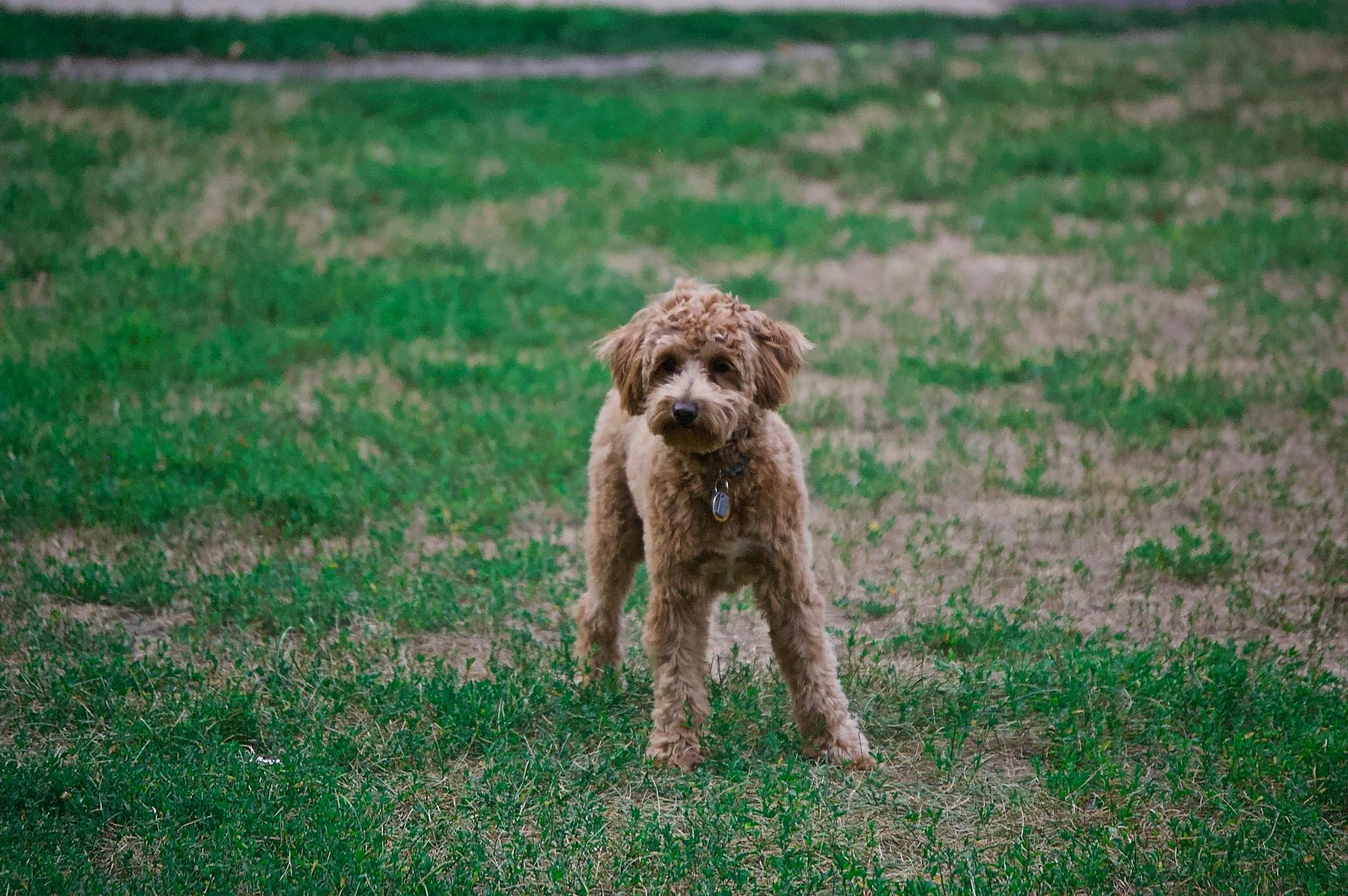
Unlock the secrets to expert dog training! Fast-track your furry friend's obedience with easy, effective techniques. Start your pro journey now!
Training your dog can often seem like a daunting task, but with the right approach and techniques, you can turn it into an enjoyable and rewarding experience for both you and your dog. From masterful obedience to fun tricks, these training methods are not just about commands; they're about deepening the bond between you two. Here's your ultimate guide to becoming a professional dog trainer in record time!
Understanding Your Dog's Language
Before you start issuing commands, it's crucial to understand how your dog communicates. Dogs use body language and vocalizations to express themselves, and being attuned to these signals can greatly enhance your training sessions. Pay close attention to your dog’s:
- Ear positions
- Tail wags
- Eye contact
- Vocal cues, like barking or whining
Each of these can give you insights into their mood and readiness to learn.
The Power of Positive Reinforcement
Positive reinforcement is a game-changer in dog training. It's all about rewarding good behavior, which encourages your dog to repeat it. Use treats, praise, or toys as rewards for following commands. Keep these tips in mind:
- Always reward immediately after the desired behavior
- Use high-value treats for difficult tasks
- Gradually decrease treats, reinforcing behavior with praise or playtime
The Magic of Consistency
Consistency is king when training your dog. Here’s how you can implement it:
- Same Words, Same Tone: Always use the same commands with the same tone of voice. This helps prevent confusion.
- Regular Training Sessions: Short but regular training sessions are more effective than occasional lengthy ones.
- House Rules: Be clear about what is and isn't allowed, and make sure everyone in the household enforces these rules.
The Training Toolbox
Equip yourself with some basic tools to facilitate training:
- Clicker: A training clicker can be a clear signal to your dog that they’ve done something correctly the very moment it happens.
- Training Vest: A vest can help carry treats and toys and signal to your dog that it’s time to learn.
- Leash and Collar/Harness: Ensuring you have the right walking equipment that is comfortable for your dog is essential for leash training.
Common Commands to Master
Start with the basics and then build up as your dog masters each command:
- Sit
- Stay
- Down
- Come
- Heel
- Leave it
Each command involves a specific technique. For example, the 'sit' command can be taught by holding a treat above your dog’s head and moving it back slightly, encouraging them to sit back to keep their eyes on the prize.
Troubleshooting Training Snags
Sometimes, despite your best efforts, your dog might not respond to training as expected. Don’t get discouraged. Here are some tips for troubleshooting common problems:
- Lack of Focus: If your dog is easily distracted, try training in a quiet environment before gradually moving to places with more distractions.
- Inconsistency in Behavior: Consistent reinforcement is a must. If you offer mixed signals, your dog will get confused.
- Reportedly Stubborn: Patience is key with stubborn dogs. Short, positive sessions will eventually yield results.
Final Thoughts
Remember, training is not just about obedience; it's about nurturing a loving relationship with your dog. Be patient, stay positive, and celebrate the small victories along the way. With these techniques at your fingertips, you're well on your way to training your dog like a pro in no time!
Start your journey now, and soon you'll have a pup that not only follows your lead but also happily wags its tail with the pride of understanding and companionship. Happy training!